

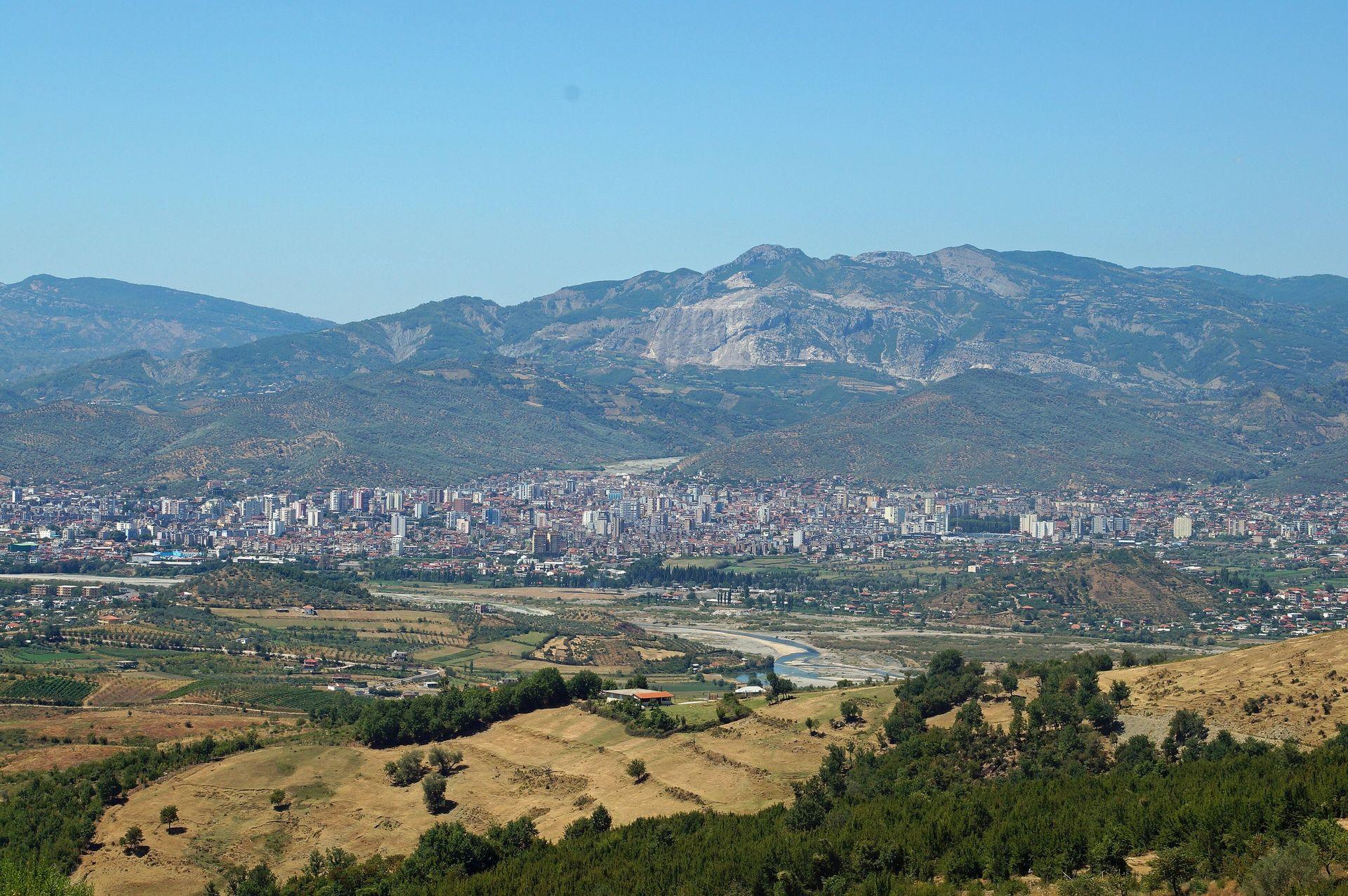

The Paleochristian Basilica of Bezistan
The Paleochristian Basilica of Bezistan is an archaeological site in the city of Elbasan that preserves the remains of an Early Christian basilica dating to the Byzantine period.
- City: Elbasan
- Open in Google Maps →
It is one of the city's most significant archaeological discoveries, offering insight into the spread of Christianity in the ancient settlement of Scampis and Albania's late antique heritage.
Historical significance
The basilica is generally dated to the 5th century AD, when Elbasan was known as Scampis, an important Roman and later Byzantine city on the Via Egnatia. Archaeological evidence indicates that Christianity had become well established in the area by this period, making the basilica an important witness to the region's religious and urban development.
Discovery and archaeology

Although the site had long been suspected to contain buried remains, the basilica came to broader attention after archaeological work beginning in 2007. Excavations revealed the outline of the church along with fragments of decorative mosaic floors, and research has suggested that additional portions of the complex may still lie beneath the surrounding area.
Architecture
The visible remains include the characteristic layout of an Early Christian basilica: a rectangular nave, side aisles, and an eastern apse. These architectural features reflect the standard design of churches before the widespread adoption of domed Byzantine church plans, while surviving mosaic fragments hint at the decorative richness of the original building.
More to discover in Elbasan

Elbasan Castle
One of the most important monuments of Albania and one of the largest field castles in the Balkans.
Read more →
Ancient City of Skampis
Skampis was an important Roman city along the Via Egnatia.
Read more →
Ethnographic Museum of Elbasan
The Muzeu Etnografik i Elbasanit is an ethnographic museum housed in a historic Ottoman-era residence in the heart of Elbasan, Albania.
Read more →Planning a trip?
Flights, car rental, tours, eSIM data, insurance and stays from partners we trust.
see travel dealsImages on this page are shown from their original sources and belong to their respective owners.