


Photo: Leonitaagashi, CC BY-SA 4.0, via Wikimedia Commons
Cape of Rodon
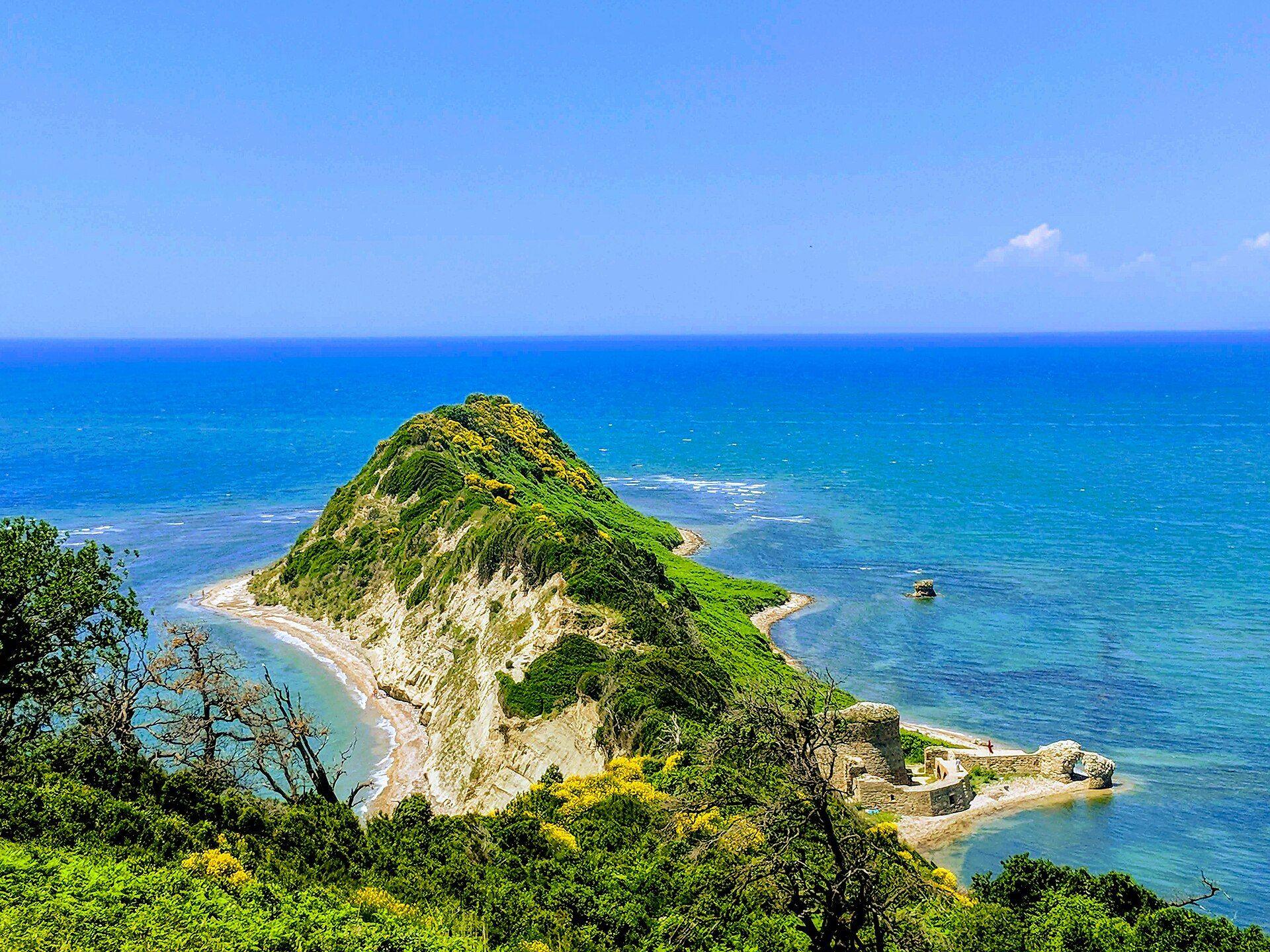
Cape of Rodon is a dramatic rocky peninsula on Albania's Adriatic coast in Durrës County.
- City: Durrës
- Address: Cape of Rodon, Ishëm, Bashkia Durrës, Durrës County, Northern Albania, 2015, Albania
- Open in Google Maps →
It is one of the country's largest capes and is renowned for combining rugged coastal scenery, quiet beaches, and important medieval landmarks, making it a popular destination for both nature lovers and history enthusiasts.
Highlights

The cape offers a blend of natural landscapes and cultural heritage in a relatively undeveloped setting. Visitors come for panoramic sea views, hiking paths, secluded coves, and opportunities to enjoy a quieter stretch of the Albanian coastline compared with many busier beach destinations.
History

The area's best-known landmark is Rodoni Castle, often called Skanderbeg's Castle, which was commissioned by the Albanian national hero Gjergj Kastrioti Skanderbeg during the 15th century as part of the defense against Ottoman expansion. Near the castle stands the historic Church of Saint Anthony, adding another layer of cultural and architectural significance to the peninsula.
Visiting Experience

A visit typically includes a scenic drive followed by walking trails leading toward the castle and shoreline. The combination of cliffs, pine-covered hills, beaches, and historical ruins makes the cape especially appealing for photography, hiking, picnics, and sunset views. Many visitors choose it as a day trip from Tirana or Durrës.
Location
Cape of Rodon is located along Rr. Shetaj – Kepi i Rodonit, Durrës, Albania, projecting into the Adriatic Sea north of the Bay of Durrës. The surrounding area remains comparatively peaceful, preserving much of its natural character while providing access to beaches and historic monuments.
More to discover in Durrës

Durres Amphitheater
The most important archaeological monument of the city.
Read more →
Archaeological Museum of Durres
The Archaeological Museum of Durrës is Albania's largest archaeological museum and is dedicated to preserving the history of the ancient city of Dyrrachium, today's Durrës.
Read more →
Durres Castle
Durrës Castle is a historic fortress and defensive wall system in the heart of Durrës, Albania.
Read more →Planning a trip?
Flights, car rental, tours, eSIM data, insurance and stays from partners we trust.
see travel dealsImages on this page are shown from their original sources and belong to their respective owners.