

Gjergj Kastrioti Skënderbeu
The Dibra area had strategic importance in Skanderbeg's resistance against the Ottoman Empire.
- City: Dibra
Gjergj Kastrioti Skënderbeu (c. 1405–1468) was an Albanian nobleman, military commander, and statesman who led a prolonged resistance against the Ottoman Empire during the 15th century. Revered as the national hero of the Albanian people, he remains one of the most influential figures in Albanian history and a symbol of independence, unity, and resilience.
Early life

Born into the noble Kastrioti family, Gjergj was the youngest son of Gjon Kastrioti and Vojsava. As a youth, he was taken to the Ottoman court as part of the political arrangements imposed on his father. There he received a military education, distinguished himself as a commander, and earned the title İskender Bey ("Lord Alexander"), which became known in Albanian as Skënderbeu.
Leader of the Albanian resistance

In 1443, following the Ottoman defeat at the Battle of Niš, Skënderbeu left Ottoman service, returned to Krujë, and reclaimed his family's stronghold. The following year, he convened the League of Lezhë, an alliance of Albanian nobles that coordinated resistance against Ottoman expansion. For approximately 25 years, he led campaigns that successfully defended much of Albania despite repeated invasions by much larger Ottoman armies.
Military and political significance

Skënderbeu's leadership combined diplomacy, strategic alliances, and highly mobile warfare adapted to Albania's mountainous terrain. His forces successfully defended Krujë through several major sieges, earning him recognition across Europe as one of the foremost military commanders of his era. He maintained alliances with states such as the Kingdom of Naples and received support from the Papacy, which viewed his resistance as an important part of the broader struggle against Ottoman expansion.
Legacy
Skënderbeu died in Lezhë on 17 January 1468. Although organized Albanian resistance gradually weakened after his death, his legacy endured through historical writings—especially those of Marin Barleti—and later became central to the Albanian National Awakening. Today, his name is commemorated through monuments, museums, public squares, educational institutions, and cultural works in Albania, Kosovo, and Albanian communities worldwide. His helmet bearing a goat's-head crest and his swords have become enduring symbols of Albanian national identity.
More to discover in Dibra

Lura National Park
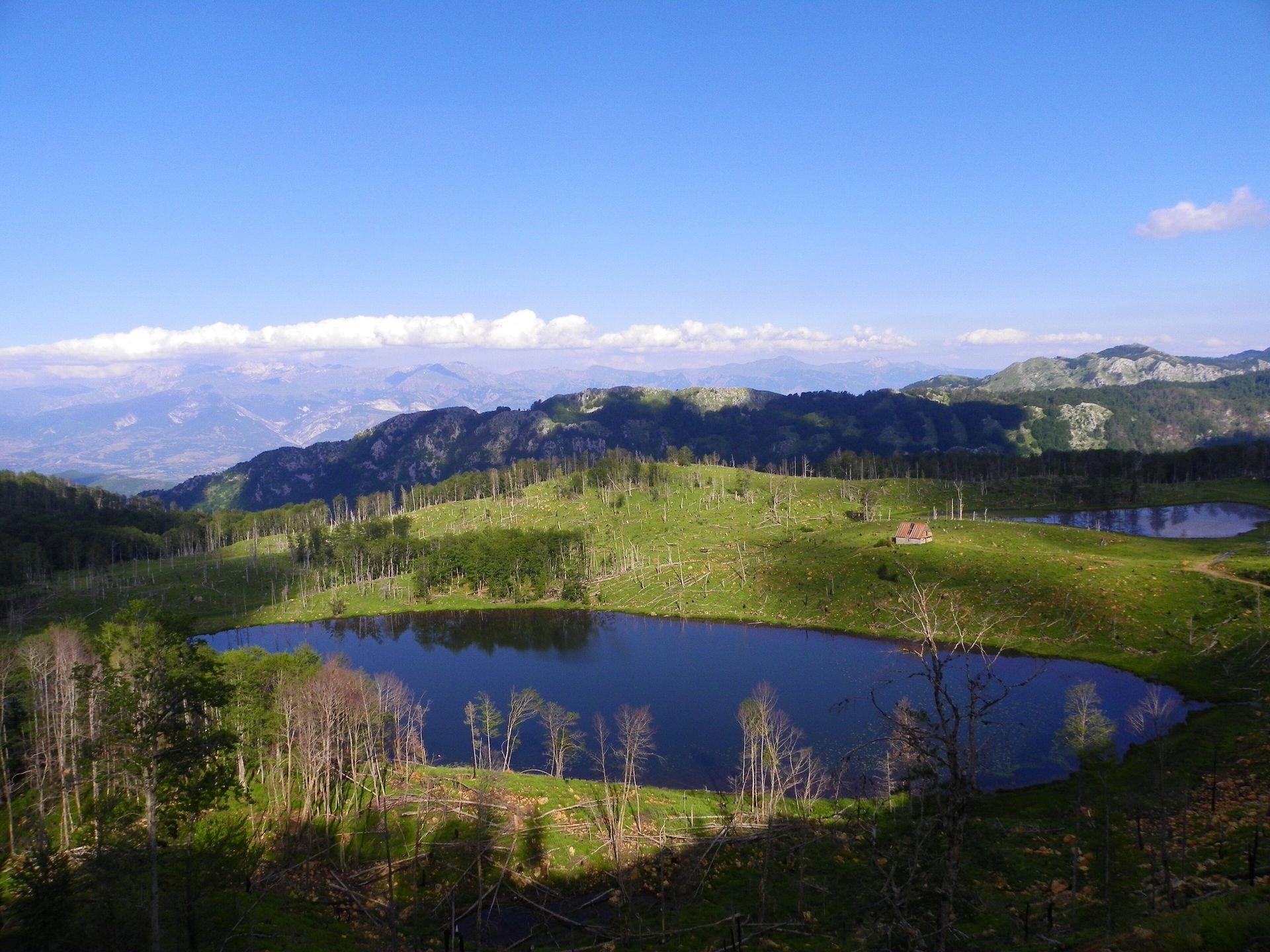
One of the most popular national parks in Albania, famous for its glacial lakes and pine forests.
Read more →
Mount Korabi
The highest peak in Albania and North Macedonia (2,764 m). A favorite destination for mountaineering and hiking.
Read more →
Korab-Koritnik Nature Park
Protected area with rich biodiversity, mountain trails and spectacular panoramas.
Read more →Planning a trip?
Flights, car rental, tours, eSIM data, insurance and stays from partners we trust.
see travel dealsImages on this page are shown from their original sources and belong to their respective owners.